How to Find the Value of an Antique - Expert Explained

Is That Old Item in Your Attic Worth a Fortune?
Have you ever stumbled upon a dusty old chair in the attic or spotted a unique vase at a garage sale and wondered, "Is this actually worth anything?" You aren't alone. Determining the true market value of an antique can feel like solving a mystery, but you don't need to be a professional appraiser to get started.
Valuing an antique isn't just about how old it is; it is about understanding the story the object tells. By looking at a few key factors, you can separate everyday bric-a-brac from hidden treasures. Here is how to start your detective work.
1. The Four Pillars of Value
Experts often look at four specific criteria to estimate a piece's worth. Think of these as the foundation of your valuation; if one is missing, the value might not be as high as you hope.
Rarity: The Law of Supply and Demand
This is the classic rule of supply and demand. Just because something is old doesn't mean it is rare. If an item was mass-produced and thousands still exist, its value stays low. However, limited-run items, one-of-a-kind pieces, or objects with a manufacturing error can command much higher prices because they are hard to find.
Ask yourself: How many of these were originally made? How many have survived to today? The scarcer the item, the more collectors will compete to own it.
Condition: The Most Critical Factor
Condition is king. Collectors generally want items in their original, pristine state. Chips, cracks, stains, or missing parts can significantly lower the value—sometimes by 50% or more. However, be careful not to confuse "damage" with "patina."
Patina is the natural wear and aging (like the soft sheen on old wood or the tarnish on silver) that adds character and proves age. A clumsy repair job with modern glue is damage; honest wear is history. Understanding this distinction can mean the difference between a valuable antique and a restoration project.
Provenance: The Item's Story Matters
This is a fancy term for the item's history. Can you prove who owned it? Do you have a receipt, a photograph, or a letter linking it to a specific time, place, or famous person?
A standard antique desk is worth X amount, but that same desk with papers proving it belonged to a famous author could be worth 10 times more. Documentation is essentially a "certificate of authenticity" for the item's story. Even a handwritten note from a grandmother explaining where she bought something can add context and value.
Market Desirability: Trends Change Everything
Tastes change. An item might be rare and in perfect condition, but if nobody is collecting that style right now, it will be hard to sell. For example, Mid-Century Modern furniture has seen a huge surge in popularity recently, driving prices up, while heavy Victorian furniture has seen less demand.
Understanding current trends is just as important as understanding the item itself. What's "in" today might be "out" tomorrow, and vice versa. This is where staying informed about the antique market becomes crucial.
2. Become a Detective: The Physical Inspection
Before you jump online, sit down with the item and inspect it closely. You are looking for clues that reveal its origins and authenticity.
Maker's Marks: The Fingerprints of Creation
Flip the item over, check the bottom of a vase, the back of a brooch, or the inside of a drawer. You are looking for stamps, signatures, or labels. These "fingerprints" of the creator can instantly tell you the manufacturer and the date of production.
A piece by a renowned maker (like Tiffany, Chippendale, or Wedgwood) will always hold more value than an unmarked equivalent. Even makers who aren't household names can add significant value if they were respected craftspeople in their time.
💡 Pro Tip: Use Technology to Your Advantage
In today's digital age, identifying maker's marks has become easier than ever. Modern antique identification apps can help you photograph and research marks instantly, connecting you to vast databases of manufacturers and patterns. Instead of spending hours flipping through reference books, you can get instant information about your item's origins right from your smartphone.
Tools like these combine AI technology with expert knowledge, making professional-level identification accessible to anyone curious about their treasures.
3. The Golden Rule of Research: "Sold" vs. "Asking"
When you start researching prices online, it is easy to get excited by high numbers. If you see a similar vase listed on eBay for $500, that doesn't mean your vase is worth $500. That is just the asking price—the price the seller wishes they could get.
To find the true market value (Fair Market Value), you must look at sold listings. Filter your search results on sites like eBay or auction archives to see what buyers actually paid in the last few months. This "realized price" is the only accurate indicator of what your item is worth today.
Where to Research Prices
- eBay Sold Listings: Use the advanced search and filter for "Sold Items" to see actual transaction prices
- Auction House Results: Sites like LiveAuctioneers and Invaluable show realized prices from professional auctions
- WorthPoint: A subscription service with millions of sold item records
- Price Guide Books: Miller's Antiques Handbook and Kovels' guides are industry standards
Remember to compare apples to apples: items should be similar in size, condition, age, and maker to get an accurate comparison.
4. When to Call a Pro
Online research is fantastic for everyday finds, but there are times when you should bring in an expert. If you suspect an item is extremely valuable, fragile, or has a complex history, get a formal written appraisal.
Types of Professional Appraisals
Insurance Appraisals: These usually give a "replacement value" (the cost to buy a brand new one retail), which is often higher than market value. Use these when insuring valuable items.
Fair Market Appraisals: This is the realistic price you would get if you sold the item to a stranger today. This type is needed for estate settlements, donations, or when you're planning to sell.
Look for appraisers certified by organizations like the American Society of Appraisers (ASA) or the International Society of Appraisers (ISA). Be wary of appraisers who offer to buy your items—this is a conflict of interest.
Making the Process Easier with Modern Tools
While traditional research methods are invaluable, technology has revolutionized how we identify and value antiques. Rather than waiting days for an expert opinion or spending hours in libraries, you can now get instant insights into your discoveries.
Advanced identification tools use image recognition and extensive databases to help you understand what you've found. Simply snap a photo of an item, and within seconds, you can receive information about its age, style, potential value range, and historical context. This immediate feedback is particularly helpful when you're at estate sales, flea markets, or auctions and need to make quick decisions.
📱 Your Pocket Antique Expert
Whether you're a seasoned collector or just starting your antique journey, having the right tools makes all the difference. Relico brings expert-level identification to your fingertips, helping you make informed decisions about potential purchases or items you already own.
- ✓ Instantly identify makers' marks and signatures
- ✓ Get accurate value estimates in seconds
- ✓ Discover the fascinating history of your pieces
- ✓ No appointments or waiting required
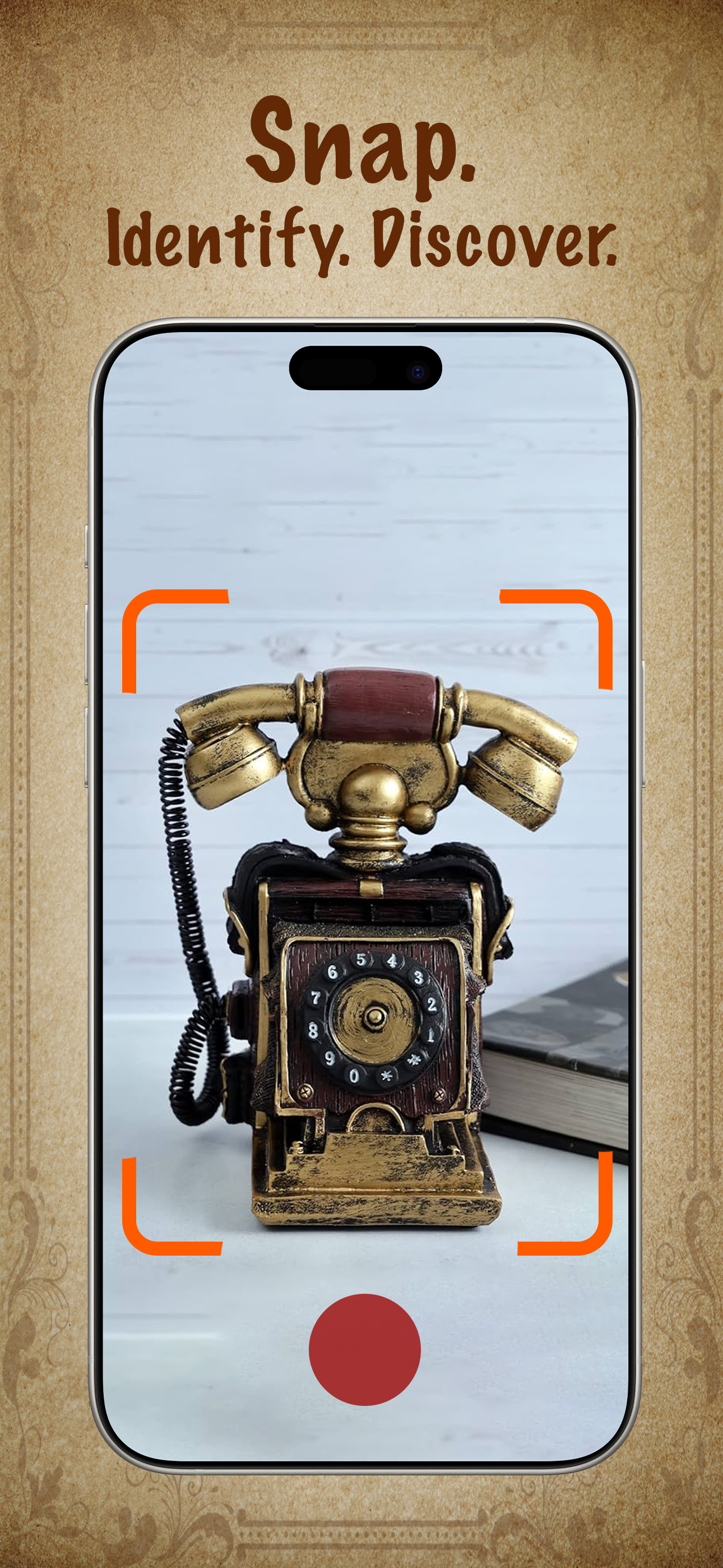
Download Relico today and start identifying antiques like a pro!
⭐ Join thousands of collectors using Relico to discover hidden treasures
Final Thoughts: Every Item Has a Story
Valuing antiques is a blend of history, economics, and art appreciation. By analyzing the rarity, condition, provenance, and current demand, you can turn a wild guess into an educated estimate. So next time you see an old trinket, take a closer look—it might just be a diamond in the rough.
Remember, the journey of discovering an item's value is often just as rewarding as the value itself. Each piece has a story to tell, and understanding that story connects us to the past in meaningful ways. Whether you discover a priceless treasure or simply learn to appreciate the craftsmanship of everyday objects, you're participating in the preservation of history.
Start Your Antique Adventure Today
Don't let potential treasures pass you by. Armed with these valuation principles and modern identification tools, you're ready to start uncovering the hidden value in antiques all around you. Happy hunting, and may your next find be a remarkable one!